
Vascular Surgery
Modern Vascular Surgery: Myths and Truths About Varicose Veins
Venous disease affects millions of people worldwide, yet it remains one of the most misunderstood medical conditions.


Subscribe to our weekly newsletter
1. Myth: Varicose Veins Are Just a Cosmetic Issue
The most dangerous misconception is that bulging veins on the legs only affect appearance. In reality, varicose veins are a visible sign of Chronic Venous Insufficiency (CVI)—a medical condition where damaged vein valves cause blood to pool in the lower extremities. Left untreated, this poor circulation can progress to chronic pain, heavy leg syndrome, severe swelling, skin discoloration, and deep vein thrombosis (blood clots).
Advanced vascular care targets the root cause of circulation failure, ensuring your cardiovascular system operates at its peak efficiency.
Recognize hidden symptoms like night cramps and restless legs
Understand the link between venous stagnation and skin ulcerations
Prevent the escalation of superficial phlebitis into deep vein risks
Address circulatory health as the core foundation of lower limb aesthetics
2. Truth: Modern Treatment is Painless, Swift, and Non-Invasive
The days of painful surgical vein stripping and lengthy hospital stays are entirely gone. Modern phlebology utilizes state-of-the-art, endovenous thermal ablation (EVLA) and advanced foam sclerotherapy. These treatments are performed under local anesthesia in an outpatient clinic setting. They require zero downtime, meaning patients can walk out of the clinic and immediately return to their daily routines with beautifully restored, healthy legs.
3. Myth: Crossing Your Legs Causes Varicose Veins
While lifestyle habits influence your vascular health, crossing your legs does not cause vein failure. The primary catalyst for varicose veins is genetic predisposition, combined with factors like prolonged standing, pregnancy, and metabolic changes.
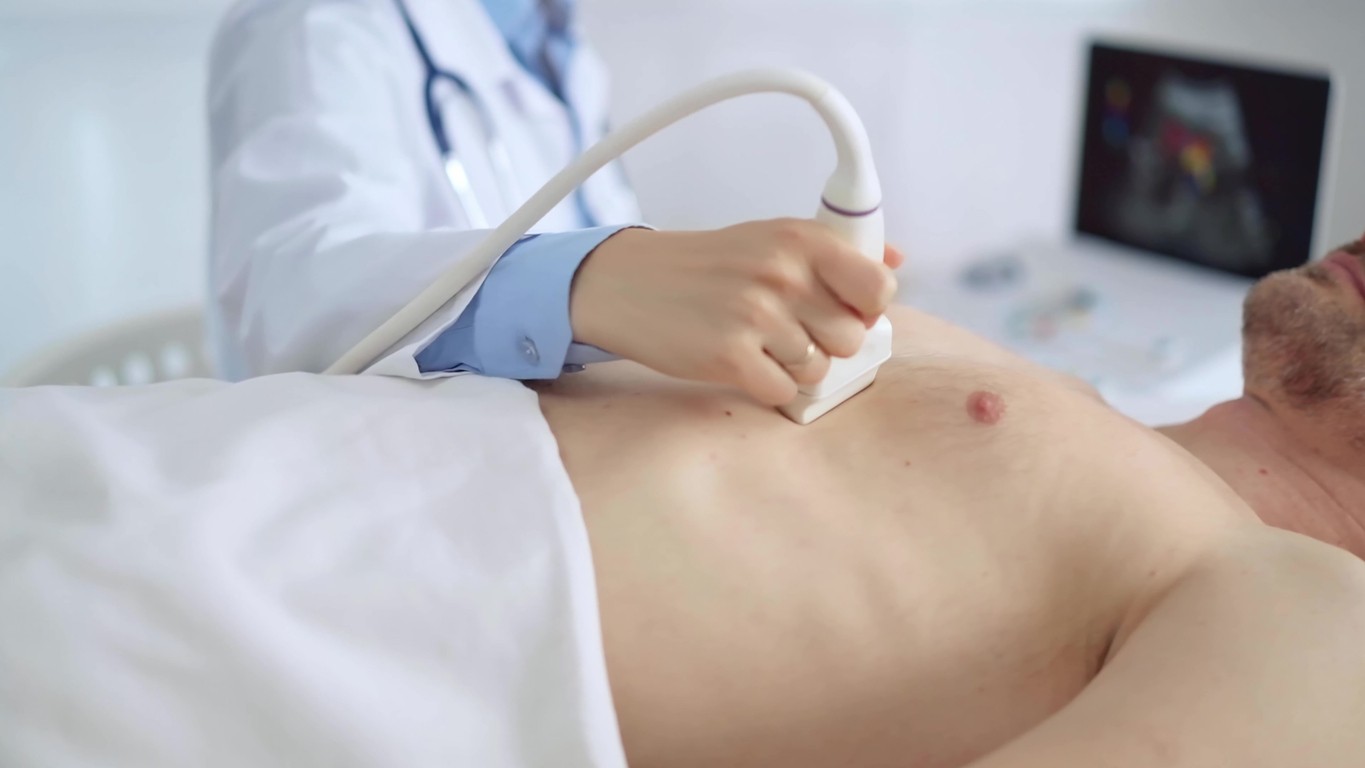
At KP Clinics, our vascular department utilizes high-precision Color Doppler Ultrasound (Triplex) imaging to map your venous network. This allows our specialists to design a data-driven surgical blueprint calibrated entirely to your specific venous anatomy.
Genetic mapping and family history analysis
Hemodynamic evaluation via advanced Triplex ultrasound
Custom-tailored venous insufficiency staging
Synergy with clinical dermatology for superficial spider vein clearing
4. Truth: Circulation Quality Directly Impacts Longevity
Vascular health is inherently tied to cellular longevity. When your venous circulation is compromised, your body spends excess energy fighting localized inflammation and tissue hypoxia (lack of oxygen). By resolving venous insufficiency through advanced laser interventions, you instantly reduce systemic inflammatory markers, improve overall mobility, and restore the vital energy needed for optimal living.